
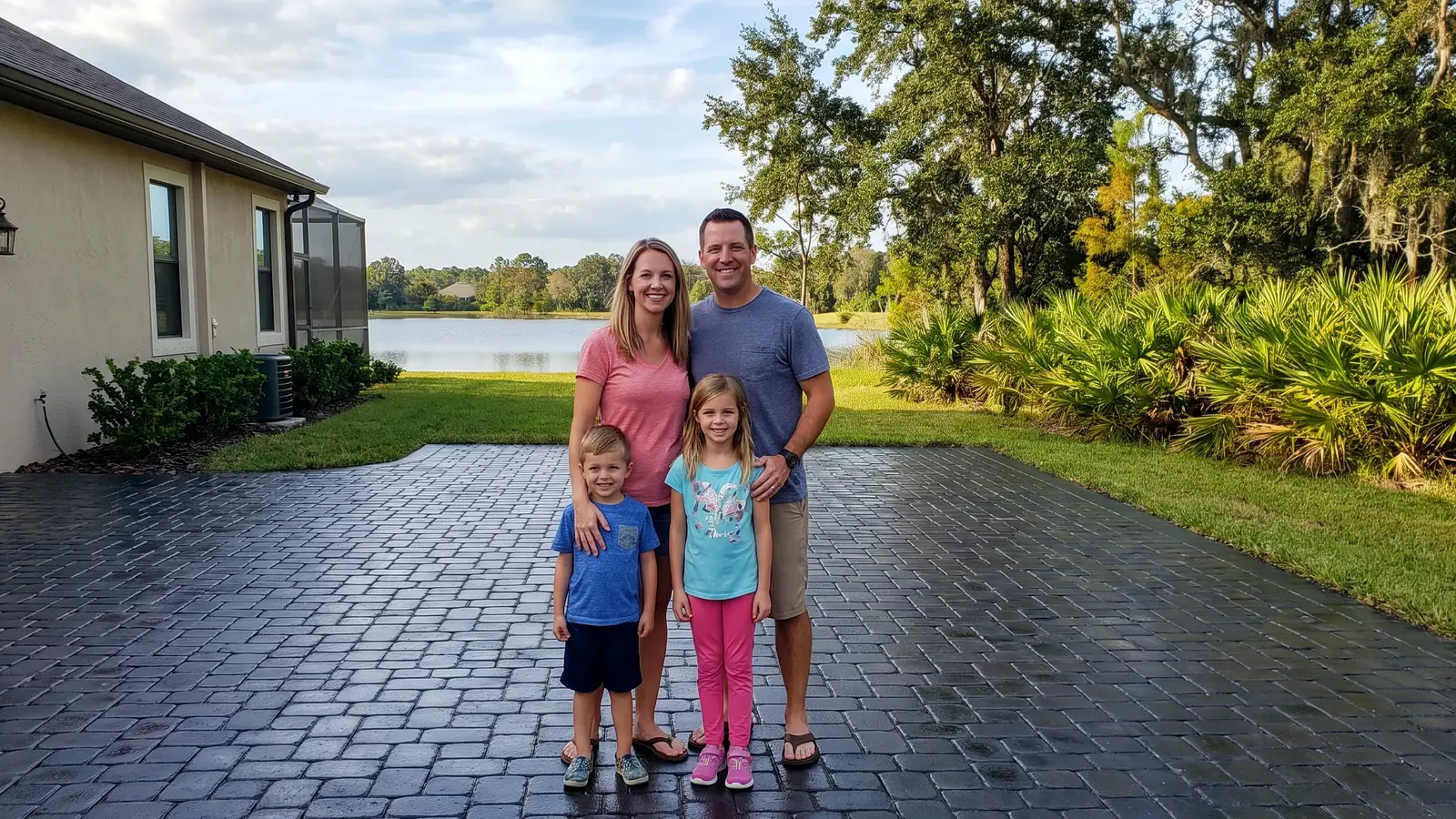
Paver sealing for Seminole Heights homes
Paver Sealing in Seminole Heights, FL
Seminole Heights back patios and side walks laid in brick or pavers get a free sealing estimate, call (656) 269-5576.
- Brings out deeper paver color
- Fresh joint sand helps lock pavers in place
- Gives weeds less room to grow
- Makes the surface easier to keep clean
- Free estimate, no obligation
Request a Free Estimate
Free, no obligation.
Fast, careful paver sealing in Seminole Heights
Seminole Heights owners of brick and concrete pavers can book paver sealing for a back patio, a side walk or a driveway, starting with a free estimate. Replies go out within 1 business day, and many come sooner. To start, call (656) 269-5576 and tell the contractor what kind of home you have.
Think of the patio behind a 1920s bungalow. Moss darkens the corners under the old shade trees, and the joints have gone hollow after another rainy summer. A careful wash, fresh sand and the right coat give the surface back its even color without changing how the house looks from the street. When you are ready for a price, you can ask for a free estimate, and it comes with no obligation.
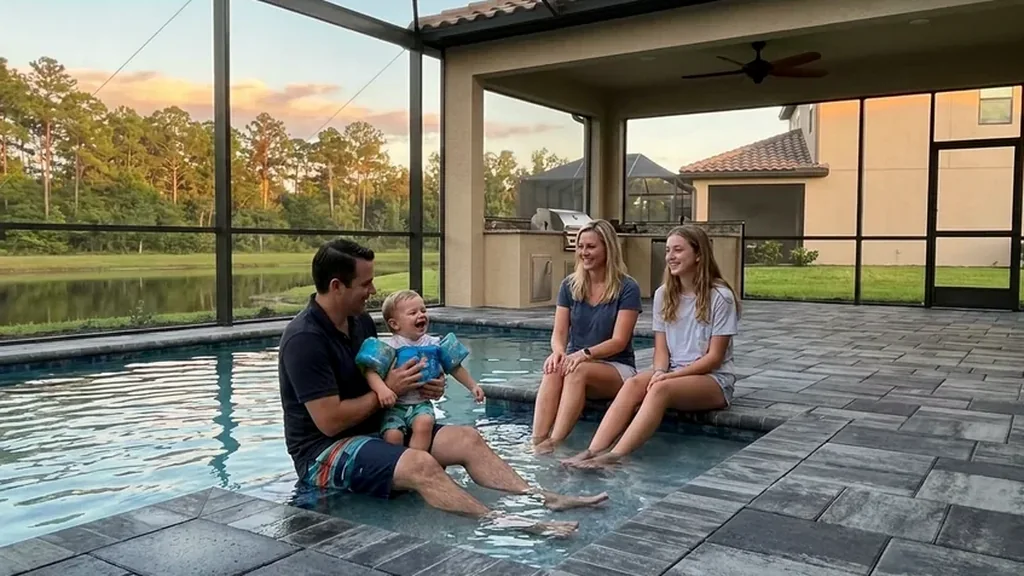
Why hire a local paver sealing contractor in Seminole Heights?
Seminole Heights has some of the oldest suburban homes in Tampa, and pavers beside them call for gentle cleaning and a finish that suits the house. A local contractor can talk that through with you, so ask for a free estimate to begin.
A walk around the lot
A local contractor looks over the patio, side walk and drive before quoting. The estimate is free.
Know the posted range
Around Tampa Bay the posted range is $1.75 to $3.00 per square foot for washing, sand and sealer. Measure any Seminole Heights bid against it.
A finish for an older house
Natural sheen sits quietly next to Craftsman woodwork, while wet look deepens color and shows scuffs sooner.
Your call
Pick the date and finish, or say no after you see the price. A test patch can help you decide.
Get Your Free Estimate in Seminole Heights
Tell us about your pavers in Seminole Heights.
Free, no obligation
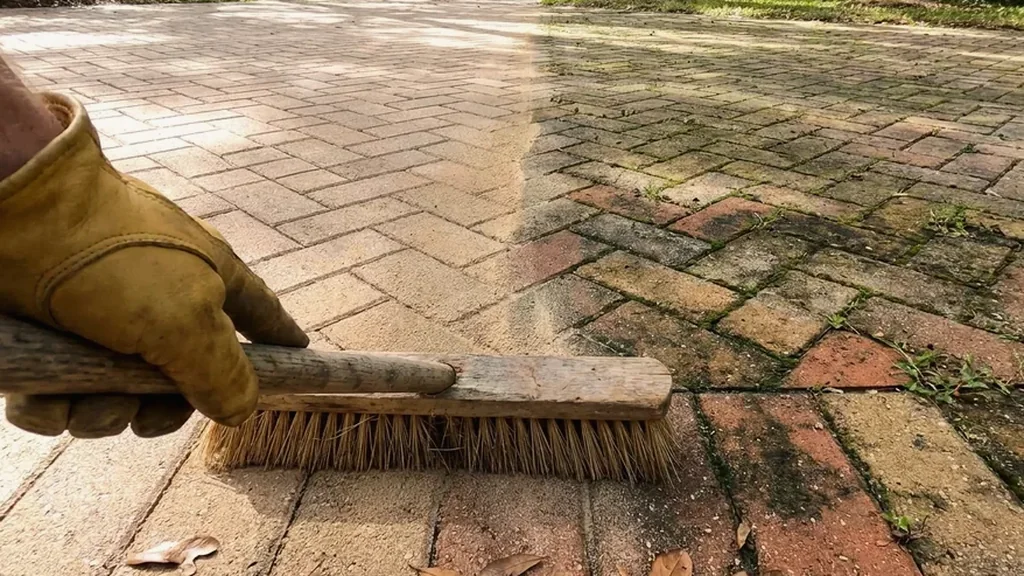
What paver problems show up most in Seminole Heights?
Brick and pavers behind a concrete front
The design guidelines call concrete the prevalent paving for driveways and sidewalks here, with brick pavers allowed in the interior of lots as access to buildings. So the pavers you have are most likely a back patio, a side path or a rear drive. Those spots sit in shade and see less sun, which means they hold moisture and go green sooner than a street-facing slab. A patio that stays shaded all afternoon is the first place to look for green film. Note how many hours of sun it gets so the contractor can plan drying time.
Moss under old shade trees
The neighborhood association describes Seminole Heights as tree-shaded. Landscape Ontario says moss, lichens and algae grow on pavers where shade is heavy and the surface stays damp, and treatments do little there. Oak tannin staining can also shorten sealer life, one Tampa Bay company says. Expect the dark patches in the corners that never get sun. Those corners rarely clear up on their own, since the damp that feeds them does not leave. Oak leaves that sit on the pavers can hold moisture and leave stains.
Joint sand lost to rainy summers
Tampa gets about 30 of its 49 inches of yearly rain from June to September, and the National Weather Service dates the rainy season from about May 25 to October 10. One Tampa Bay company reports that months of downpours carry joint sand away. Old brick joints that have gone hollow let weeds and soil in, so sand goes back before sealer. A joint that looked full in May can look hollow by October. Hollow joints in old brick can let soil in and loosen the edges. Brick joints are narrow, so even a little lost sand shows as a dark line along the edges.
Coats from a century of owners
Bungalows here date from about 1912 to 1928, and most have changed hands many times. A past owner may have sealed the patio with a product no one wrote down. Water-based sealer does not go over solvent-based sealer, so the contractor first learns what is on the surface. Mention any old paperwork, a can label or a company name, since even a small clue narrows the choice. Bungalows from the 1910s and 1920s have often had several owners.
Paving rules on a protected street
Seminole Heights is a local historic district, and the design guidelines say not to pave front yards with concrete or asphalt and to keep brick and paver streets as they are. They also say a driveway or paving change needs a Certificate of Appropriateness. Sealing is not named, so the safe step is a question to city staff before work starts. Check with city staff early, because a permitted change can take longer than a plain cleaning. A short email with photos usually gets the question answered.
Do I need the city's approval to seal pavers in Seminole Heights?
It depends on what you are doing and where you live, so ask first. Seminole Heights is a local historic district, and Tampa reviews development there through its Architectural Review Commission. The design guidelines say a modification, replacement or addition of a driveway or paving needs a Certificate of Appropriateness. Sealing is not named, so ask city historic preservation staff before you ask for a free estimate.
The guidelines are specific about paving. They prefer concrete aprons and ribbon drives, allow brick pavers and similar materials inside the lot, and say not to remove, cover or repair brick and paver streets with different materials. Keep that in mind if your project changes a surface rather than cleaning it. Call (656) 269-5576 and the contractor can tell you which kind of work yours is.
The area is made of several parts. Old Seminole Heights, South Seminole Heights and Southeast Seminole Heights each have their own blocks, and Hampton Terrace around Lake Roberta has about 470 contributing homes. The National Register district lists 325 buildings from roughly 1912 to 1928. Mention which part of the neighborhood you live in when you ask for a free estimate.
What does paver sealing cost in Seminole Heights?
Companies in the Tampa Bay area commonly post $1.75 to $3.00 per square foot to clean, sand and seal pavers. Condition, the finish and the sand needed place a Seminole Heights job in that range. Extra repairs, such as resetting loose pavers, can change the total. For a price on your pavers, ask for a free estimate; the estimate is free of charge.
Access and repairs move the total. A side path through a narrow gate takes more hand work than an open driveway. Sunken or loose pavers need resetting before sealing, and old brick may need extra care. Call (656) 269-5576 and the contractor can tell you what applies to your Seminole Heights lot.
| Paved area | Typical example | Clean, sand and seal |
|---|---|---|
| 300 sq ft | Small patio or walkway | $525 to $900 |
| 600 sq ft | Two car driveway | $1,050 to $1,800 |
| 1,000 sq ft | Large driveway or pool deck | $1,750 to $3,000 |
| 1,500 sq ft | Driveway plus pool deck | $2,625 to $4,500 |
Math based on the $1.75 to $3.00 per square foot that Tampa Bay paver companies publish. Your contractor sets the actual price after seeing the surface. Repairs, leveling and stripping failed sealer are usually extra.
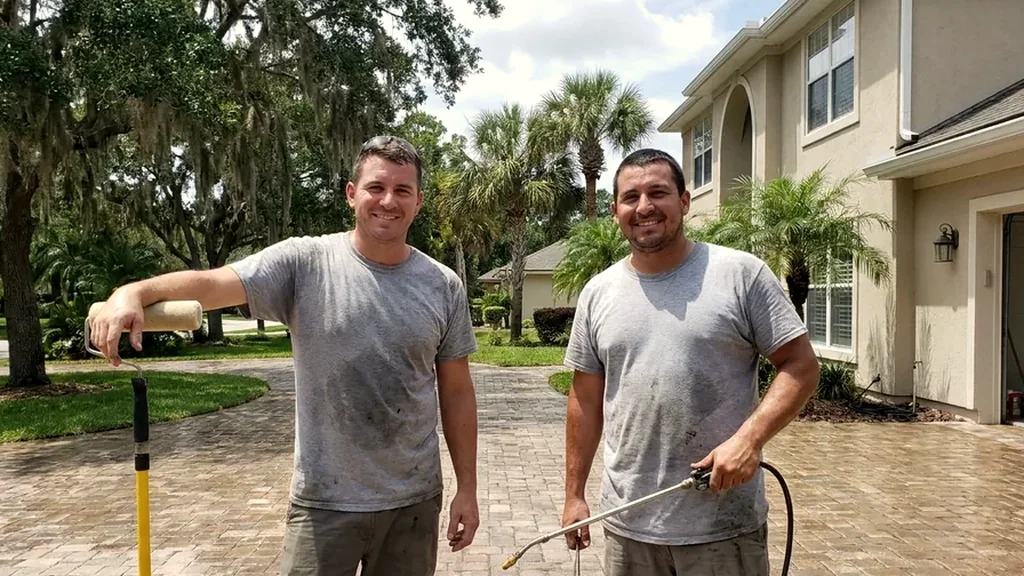
How does a paver sealing job work in Seminole Heights?
Look at the patio and ask about its history
A walk covers the back patio, side walk and any drive. Loose pavers get flagged while the contractor asks what you know about past work. Any old coat has to be identified before a new product is picked. A written scope follows the visit. Share any rules from the city or your neighborhood association so the plan fits them.
Clean gently around old brick and wood
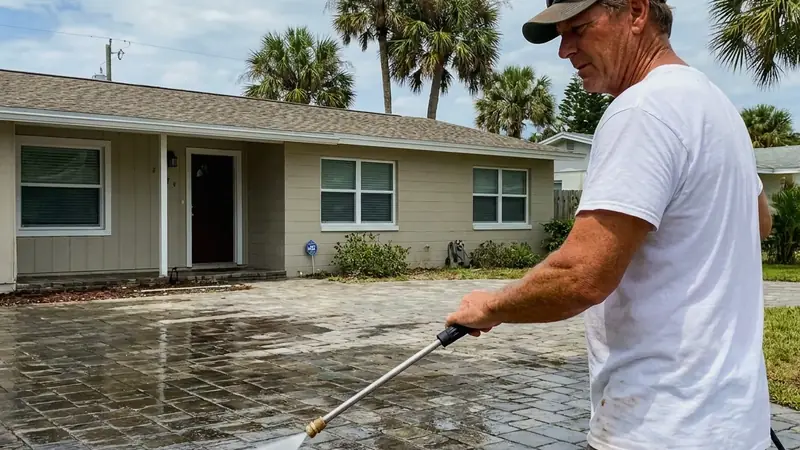
Cleaning removes moss, gray film and tire or oil marks. Brick and older pavers get a lighter hand so joints are not blasted out. Wood siding, porch rails and plants are shielded from the rinse. This matters on a house from the 1920s. A wide spray at a low angle keeps the joint sand from being blasted out, a Tampa Bay company notes, and the contractor checks the joints as the water passes.
Put sand back in the joints
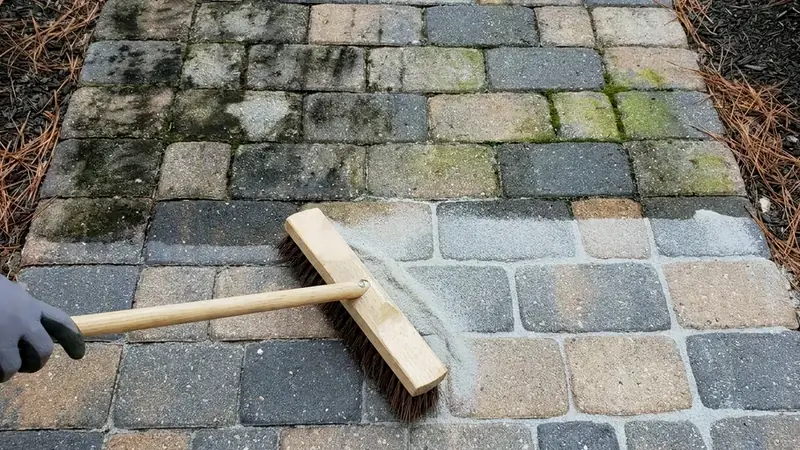
Each joint is refilled with sand and the patio is swept. Gaps in the joints invite soil, and weeds soon follow. Some contractors set the sand with a stabilizer so summer storms disturb it less.
Give a shady patio time to dry
A patio under old trees can take longer to dry than an open drive. One Tampa Bay company cites at least 24 hours without moisture before sealing. Damp pavers wait; the contractor holds off until they are dry.
Seal in a finish that suits the house
Brick often needs a clay-formulated sealer, and natural stone needs a breathable one, a Tampa Bay company says. Matte keeps a quiet look beside a bungalow, while wet look deepens color but shows scuffs sooner. Keep traffic off about 24 hours. Expect a coat to be quoted at two to five years of life. Save the product name and finish, because the next coat should match.
Complete paver services in Seminole Heights
Seminole Heights work starts gently. The look finds loose pavers and old sealer, the clean goes easy on old brick, and sand goes back into the joints before the sealer. To ask how long it takes for your lot, call (656) 269-5576.
Back patios, side walks, rear drives and porch landings each wear differently. A patio under trees stays damp, a rear drive takes tires, and a porch landing sees steady footfall. Brick needs a clay-suited sealer and travertine needs a stone-suited one. Describe yours when you ask for a free estimate.
Finish is a real decision on an older home. A natural look has little sheen and stays calm beside Craftsman woodwork. Wet look adds color depth at the cost of showing scuffs earlier. Call (656) 269-5576 to talk through which finish fits your house.
Old trees and summer storms both slow drying, so plan on flexible dates. Per a Tampa Bay company, practical sealing weather starts in October. A shaded patio may need extra days to dry. Ask for a date that leaves room, and ask for a free estimate for open dates.
Questions to ask before you hire
- Do I need to move the cars and the patio furniture, and by what time?
- How long do the pavers sit after the wash before the sealer is rolled on?
- Can the pool deck, the lanai and the driveway all be done on the same visit?
- What can be done about oil drips from the garage and rust spots from the sprinklers?
- Do you put new joint sand in after the wash, and which kind?
- Does the estimate name the sealer and say how many coats it will get?
- Will you point out any sunken pavers before you give me the price?
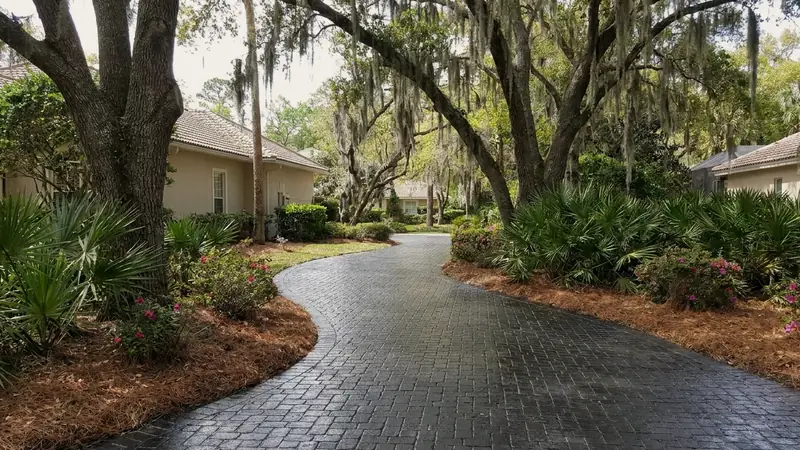
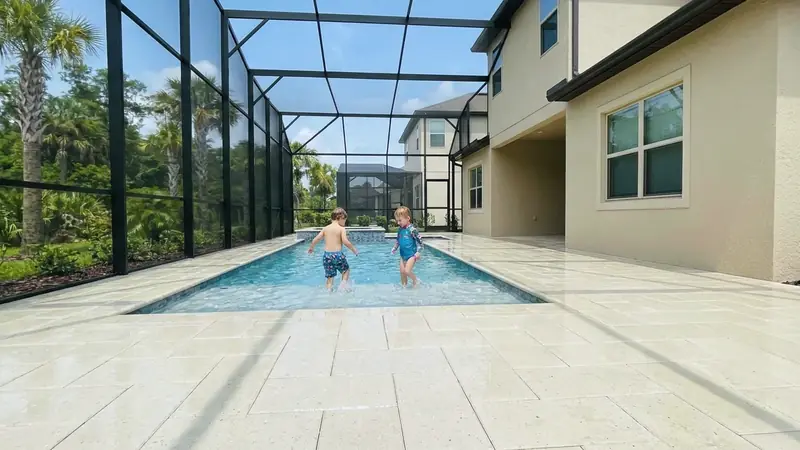
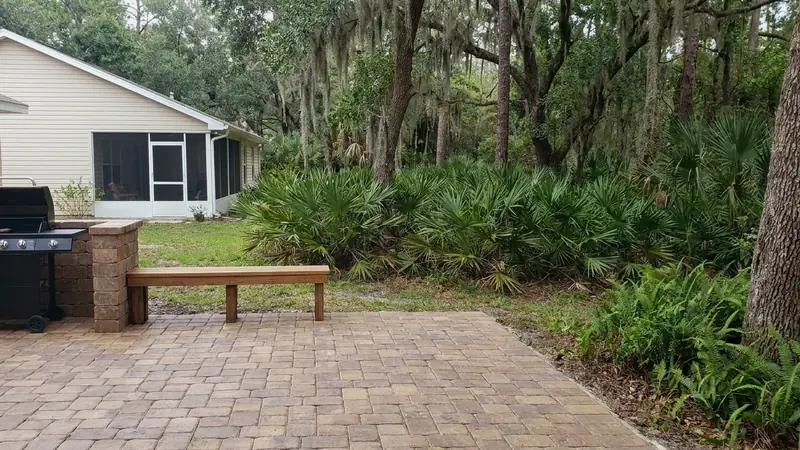
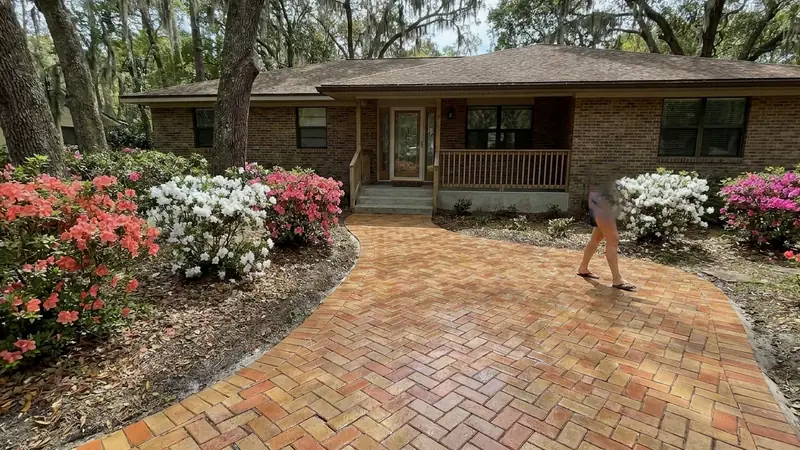
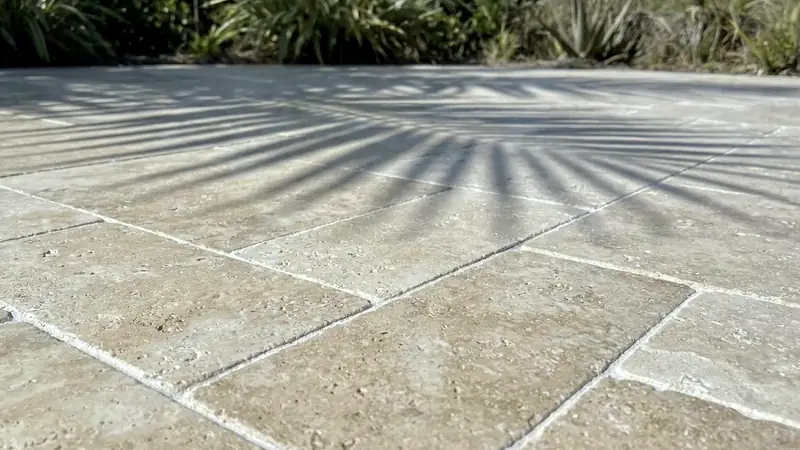
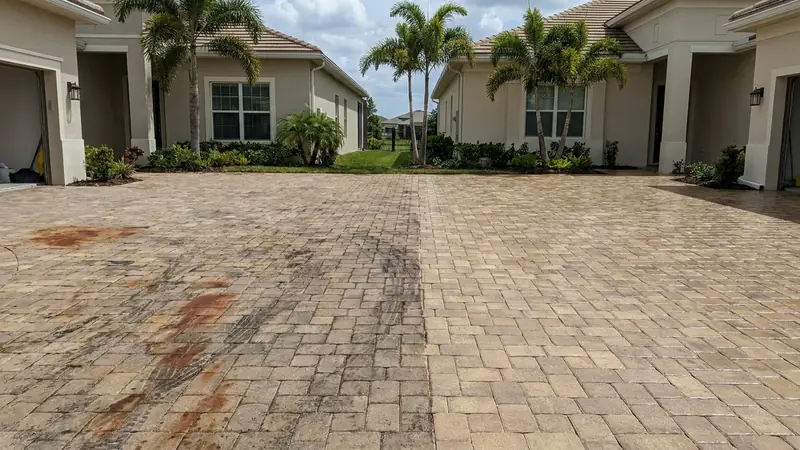
What do sealed pavers look like around Seminole Heights?
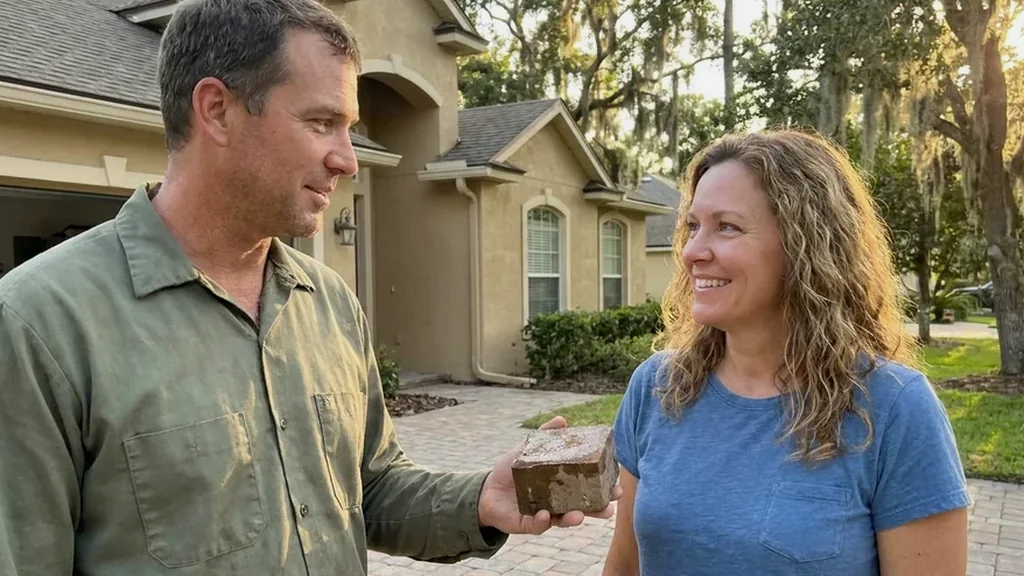
Why local matters in Seminole Heights
A contractor who works Seminole Heights knows the neighborhood is old and protected. The National Register district lists 325 buildings from about 1912 to 1928, and the city reviews exterior changes in the local district. That knowledge helps you ask the right question at the right office. To reach a contractor who works this part of Tampa, call (656) 269-5576.
Local timing and conditions matter too. Old trees keep patios damp, and summer storms build fast. A contractor used to this neighborhood plans longer drying and watches the sky before sealing. When you ask for a free estimate, ask how a rain delay would work.
A local contractor also respects what surrounds the pavers. Wood siding, porch rails and old plantings sit close to a bungalow patio, and gentle rinsing protects them. Ask how the contractor plans to protect them. Once you are ready, ask for a free estimate and tell the contractor about your house.
What makes Seminole Heights different from other Tampa neighborhoods?
It began as a streetcar suburb. A developer laid out about 40 acres in 1911, roughly three miles north of downtown, and a streetcar line from Sulphur Springs made the commute work. Nearby subdivisions such as Suwanee Heights followed in 1912, and Hillsborough High School was built in 1927. If your home is on one of those early streets, call (656) 269-5576 and name it.
Today the neighborhood has a long run of riverfront parkland along the Hillsborough River, and the Jean Street Shipyard was founded on that river in 1843. Hampton Terrace sits around Lake Roberta, and Rogers Park Golf Course lies along the river. Near any of these, you can ask for a free estimate and give your street.
Frequently Asked Questions
How soon will my Seminole Heights pavers need another coat?
Companies quote two to five years for a coat, so note the year you seal. A shaded back patio may keep its coat longer than a driveway in full sun, though damp corners can grow green film sooner. Check yours when the color dulls.
Who are some good general contractors for paver sealing in Seminole Heights?
A local contractor's free estimate is a fair place to begin, and other written bids give you a comparison. Look for the job size, the finish and the product in each one. Ask how old brick and wood siding will be protected.
What is the average cost to seal pavers in Seminole Heights?
Tampa Bay companies list $1.75 to $3.00 per square foot for the wash, the sand and the sealer. Where you land in that range depends on how worn the pavers are, the look you pick and the sand required. Extra repairs can move the total.
Which sealer is right for pavers in Seminole Heights?
It depends on the surface and what is already down. Brick often needs a clay-formulated product and travertine needs a breathable one, one Tampa Bay company says. What is already on the pavers decides the product, because water-based will not go over solvent-based.
Do I need city approval to seal pavers in the Seminole Heights historic district?
It depends on the work. The design guidelines say a driveway or paving modification, replacement or addition needs a Certificate of Appropriateness, but they do not name sealing. Ask city historic preservation staff before work begins.
Is it better to spray or roll paver sealer in Seminole Heights?
Old brick beside wood siding calls for care. A paver company notes that rolling gives more control and less overspray, while spraying reaches narrow gaps faster. Ask which method the contractor chose and how siding and plants will be covered.
Is there a downside to sealing Seminole Heights pavers?
A coat eventually wears and has to be renewed, and scuffs stand out sooner on wet look than on matte. It needs a dry surface, which a shady patio reaches slowly. Any loose or sunken pavers have to be reset first, because sealer does not repair them.
Can new sealer go over an old coat on Seminole Heights pavers?
Sometimes. Water-based sealer does not go over solvent-based, so the contractor first learns what is on the pavers. With a house built in the 1920s and many owners since, the product may be unknown. Keep any label or receipt you find.
How long should I stay off new sealer in Seminole Heights?
Traffic should wait until the coat is dry, which a Tampa Bay company puts at about 24 hours. The exact stay-off time shifts with the sealer and the day's conditions, so ask the contractor. Keep pets and children off as well.
Why do the joints in my Seminole Heights brick keep losing sand?
Months of downpours carry joint sand off, and old brick joints that have gone hollow let weeds in, a Tampa Bay company says. Refilling the sand and sealing the joints gives it a better chance of staying.
Will sealing fix sunken pavers or old brick in Seminole Heights?
No. Sealing cannot repair a surface, so any loose or sunken pavers are reset ahead of it. Show the contractor any low spots under the trees on the first visit. The reset work belongs on the written estimate.
What parts of Seminole Heights count as historic?
The National Register district lists 325 buildings from about 1912 to 1928, Hampton Terrace around Lake Roberta has about 470, and the city designated a local district in 1995. Old Seminole Heights, South Seminole Heights and Southeast Seminole Heights are all part of the neighborhood. Ask city staff which status your address has.
Ready for a Free Estimate in Seminole Heights?
Call (656) 269-5576 and tell us about your pavers.
Free, no obligation